Table of Contents
Throughout this stage, you start to adapt to life without your loved one. Practical matters, such as work, obligations, and future strategies, end up being even more of a focus. While sorrow is still existing, it no more controls every element of life. Acceptance does not imply failing to remember or moving onit methods finding a method to live with the loss.
Rather, it is a fluid experience, marked by waves of emotion that come and go. You process loss, know that your journey is special, and there is no wrong means to grieve.
In, we examine this structure together with a much more flexible, customized method, enabling you to explore what truly aligns with your experience. The "stages" of despair are one of the people transform to when trying to understand loss yet they're frequently. Our Phases of Sorrow guide breaks down where the design, what each, and without suggesting despair steps in tidy steps.
How EMDR Operates for Relational Wounds
You just went through a breakup. You shed your job. You're not able to attain the goal you have actually been working towards. Believe it or not, every one of these are some type of despair or the experience of handling loss. As we function our means via experiences like these, we're likely to experience different phases or emotions from rejection and temper to sadness and resentment.
We'll also consider usual misconceptions concerning despair and suggestions for managing loss. Allow's dive in. Prior to we dive into the five stages of despair, it's handy to understand what grief is. Basically, pain is the experience of dealing with loss. And it's experienced by each person in a distinctively individual means.
Creating Authentic Relationships After Integrative Therapy in Sacramento
Grief can also come from any adjustments we experience in life, such as transferring to a brand-new city or institution or transitioning right into a brand-new age group. The fact is that we all experience a certain level of pain throughout our lives. While some losses are a lot more extreme than others, they are no less actual.
Many scientists have devoted years to studying loss and the feelings that accompany it. One of these professionals was Elisabeth Kubler-Ross, a Swiss-American psychoanalyst. She talked to over 200 individuals with incurable illnesses and identified 5 common phases people experience as they grapple with the truths of their upcoming fatality: rejection, temper, negotiating, anxiety, and acceptance.
Although Kubler-Ross's work concentrated on despair responses from people that are dying, most of these phases can be related to pain throughout any type of sort of loss. It is necessary to keep in mind that these phases are not straight, and they're not a prescription. Not everyone experiences every stage, and that's fine. We could seem like we approve the loss at times and then relocate to another phase of pain once more.
Likewise, just how much time we invest browsing these stages varies from one person to another. It might take us hours, months, or longer to process and heal from a loss. Keeping that in mind, allow's take a closer consider each of the 5 phases of grief: For several individuals, denial or pretending the loss or adjustment isn't taking place is typically the first reaction to loss.
Somatic Approaches for PTSD in Sacramento
Eventually, when we're grieving, we can begin the recovery procedure by allowing the feelings and feelings we've denied to resurface. Numerous individuals will also experience anger as component of their sorrow. According to Kubler-Ross, pain from a loss is usually rerouted and revealed as anger. Simply put, anger is a means to conceal the many emotions and discomfort that we're bring as a result of the loss or modification.

Although our rational brain recognizes they're not at fault, our emotions are extreme and can quickly bypass rational thinking. We also might lash out at inanimate things, complete strangers, friends, or relative. We may feel upset at life itself. While we often assume that anger is an adverse feeling and something to be prevented at all expenses, it really offers an objective and is a necessary part of healing.
Negotiating is a stage of pain that assists us hold onto hope throughout extreme psychological pain. It's an effort to aid us restore control of a circumstance that has actually made us really feel exceptionally susceptible and powerless. It's also another means to aid us postpone having to deal directly with the sadness, complication, or pain.
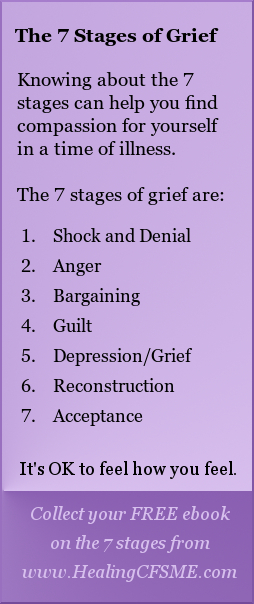
Anxiety is frequently likened to the "silent" phase of pain, as it's not as active as the temper and bargaining phases. Symptoms of depression can manifest themselves in various means.
Work-Life Integration After Therapy
Simply like the other stages of sorrow, anxiety is experienced in various ways. Instead, it's an all-natural and ideal action to sorrow.
Instead, For example, if we're regreting the death of a loved one, we could be able to express our gratefulness for all the remarkable times we invested with them. Or if we're experiencing a separation, we could say something like, "This truly was the most effective point for me." In this stage, we may come to be extra comfy getting to out to friends and family, and we might also make brand-new connections as time goes on.
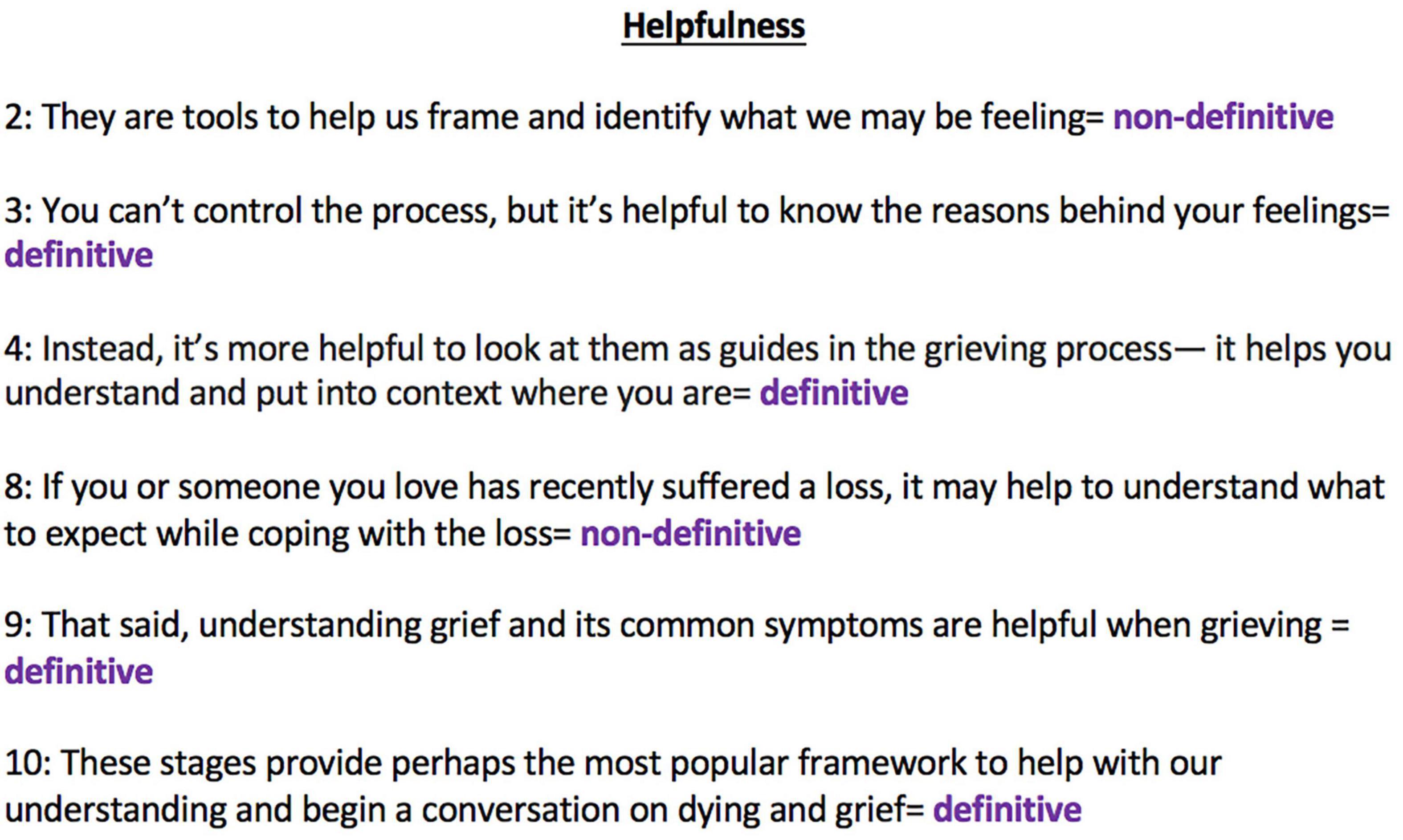
This does not mean we'll never ever have an additional negative time. Since our emotions are extra secure in this stage, we realize that we're going to be okay in the great days and the bad. Despite the fact that these five stages of despair can assist us comprehend the mourning procedure, In some cases individuals battle because they really feel that their mourning process isn't "the norm," however sorrow is a highly intricate experience that differs from one person to another.

Navigation
Latest Posts
Recognizing Sustainable Results of Mental Health Services from Somatic Therapy
Financial Coverage for Anxiety therapy
Group Counseling Offerings